Attract swifts
Common swifts take some time to find a new nesting site. There are several ways, tips and tricks to speed up the settlement. We write here from our own decades of experience how you can successfully settle swifts.
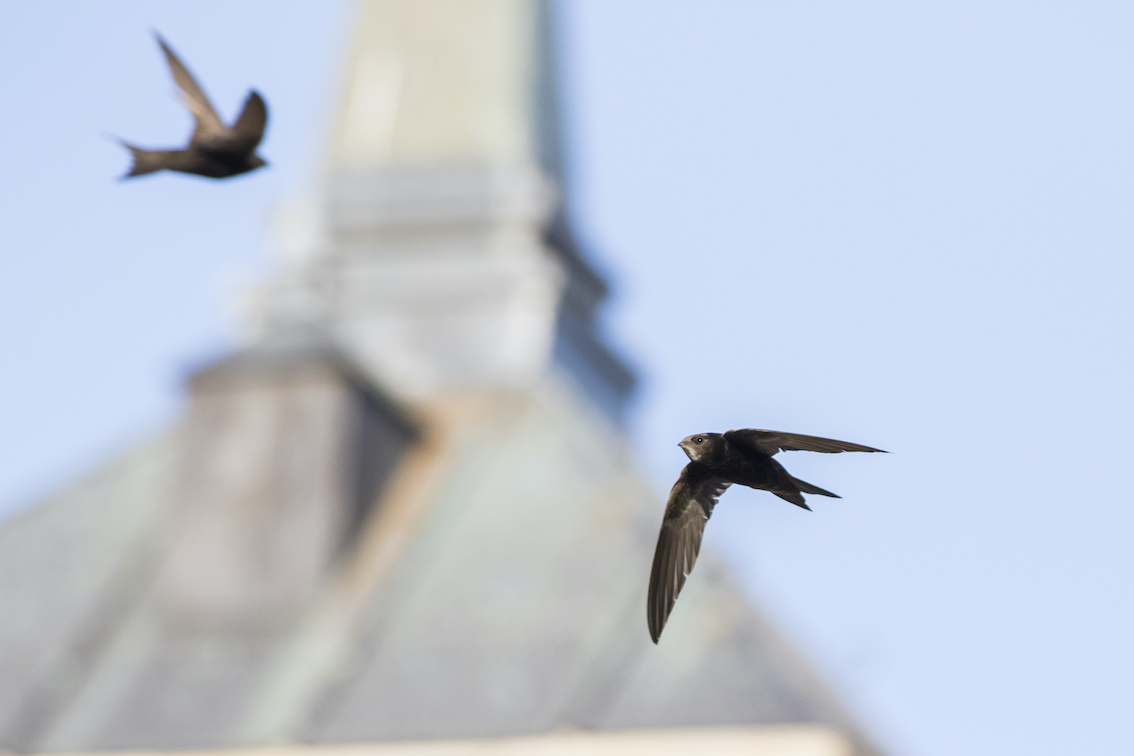
Why do swifts find new nesting sites so difficult?
Here is a brief background on the breeding biology of the swifts : Once swifts have found a nesting site, they are loyal to the location and come back to the same nesting site every year as a breeding bird. This usually happens every year at the beginning of May. The adult birds fly to their nesting site and start breeding business immediately. As an observer, you don't notice much of the adult birds because they go directly to the nesting sites.
About 1-3 weeks later in the period from mid-May to the end of June, the 1-3 year old young birds arrive, who are looking for new nesting sites. One strategy for success is that the young birds try to connect to colonies and old birds fly after them and specifically target occupied nesting sites to see whether they are occupied. The adult birds that sit and breed in a nesting site give answer calls that indicate to the young birds that the nesting site is occupied. These calls from the adult birds from the nesting box are so-called duet calls, in which the male and the female alternately call.
This phenomenon can be used to alert young birds to new, vacant nesting sites, such as hanging nesting boxes, or a swift tower by simulating a colony and playing the call.
How to attract swifts
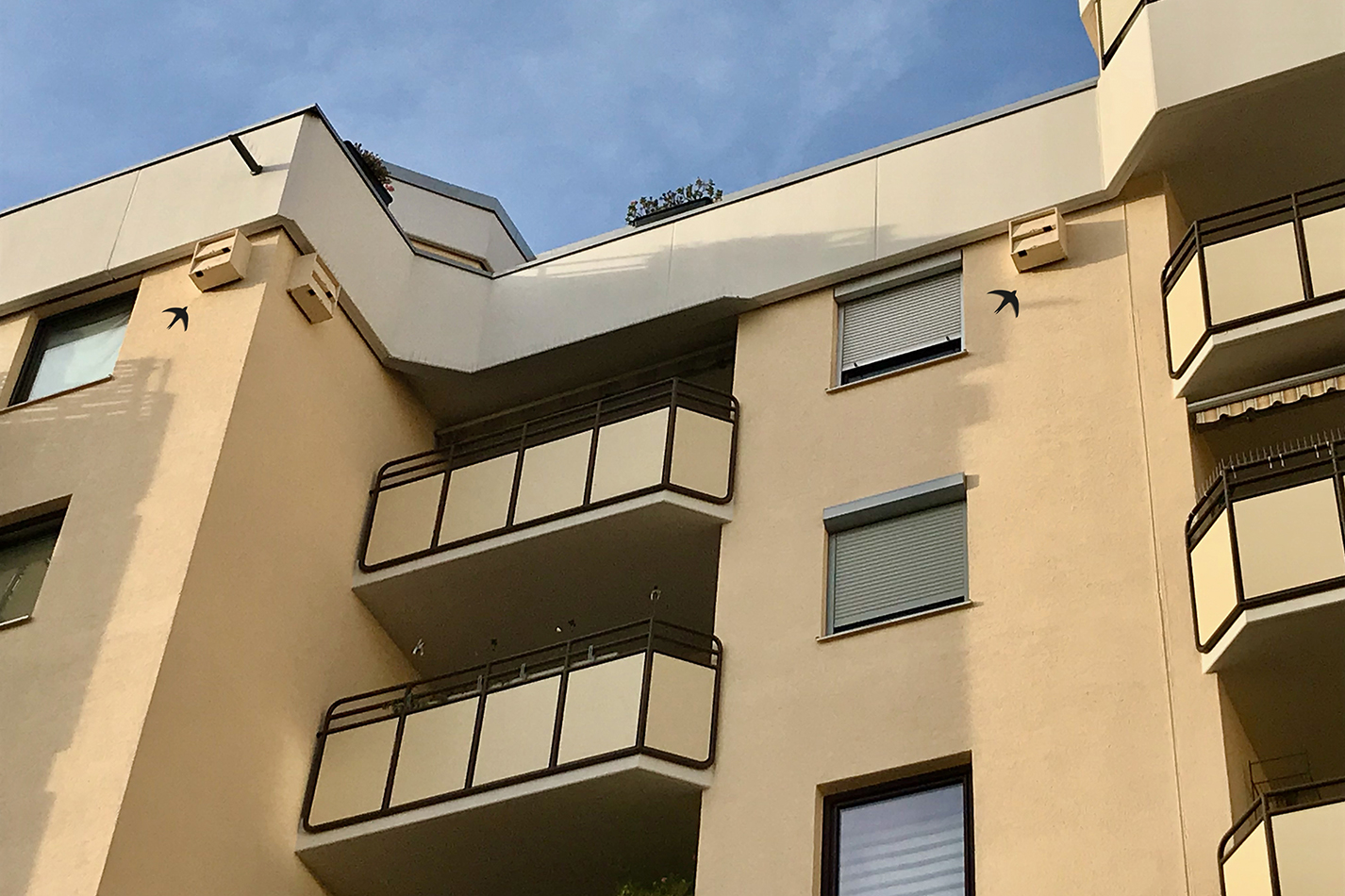
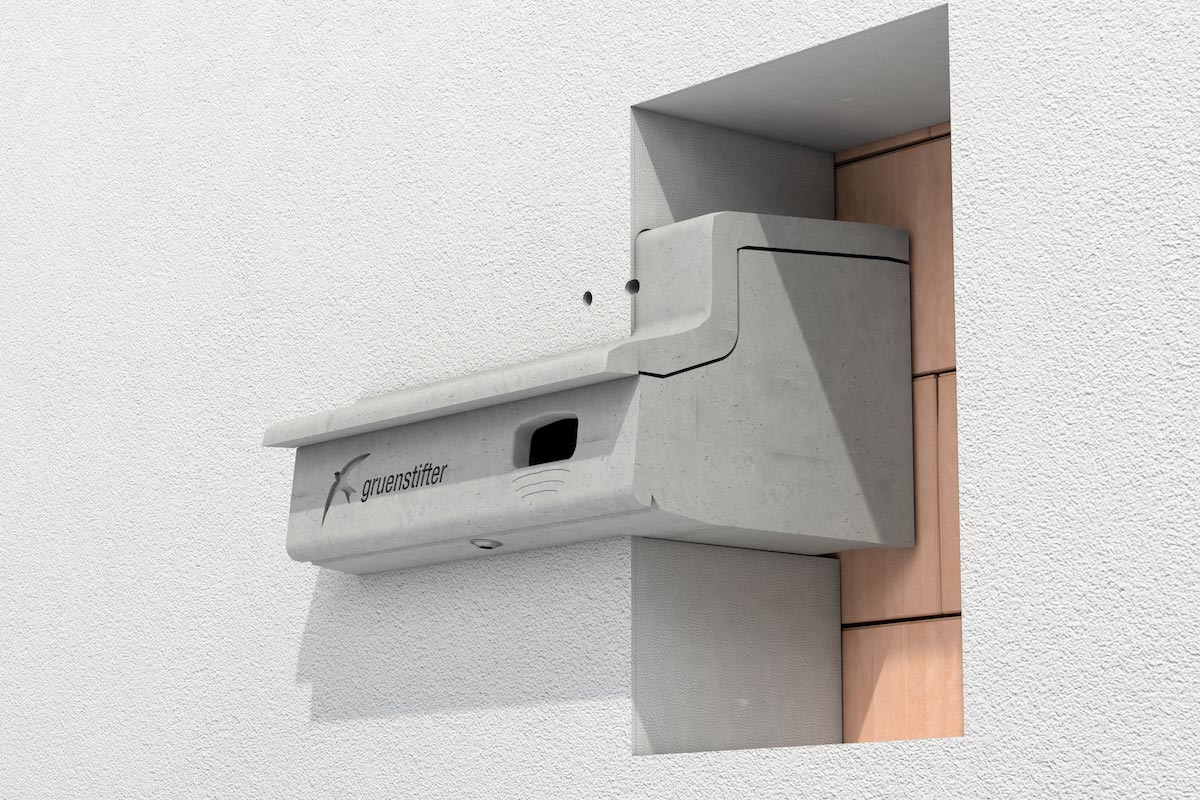
First, create new nesting opportunities. Hang up swift nest boxes. There are two main ways of successfully relocating swifts at new nesting sites: playing call calls and hanging up silhouettes .
Both options work independently and in combination. We would like to tell you what is important and what needs to be considered in order to lure the swift successfully to newly hung nesting boxes.
Hang up nesting boxes
Hang nesting boxes for swifts on buildings. Preferably in the eaves area and at least 5 meters high. Hang up several nesting boxes. Common swifts are breeders of colony.

Play lure calls
Play the right call with the help of a dummy sound that works independently with solar. Program the timer and play lock calls at the best times.

Attach the pointing bird
Attach silhouettes of index birds that show the swimmers looking for the entry hole and maximize the visibility of the newly created nesting site. Particularly effective in combination call calls.
Attract swifts with calls
Common swifts are breeders of colonies and respond to calls to colonies. Especially the young birds that have wintered for the first time in Africa and are returning to Europe are looking for a suitable nesting site and are trying to join existing swifts colonies. The young birds follow the breeding to their traditional breeding site. It can often be observed that young birds fight for the breeding site with adult birds.
The main activity for flying to nesting sites and the search for new nesting sites by young birds without a nesting site usually takes place in the morning and early morning, as well as in the late evening.
This is especially the time of day when swifts breeding pairs leave or fly to their nesting site after spending the whole day hunting for insects. The young swifts without nesting site follow the established swift breeding pairs to see if there are any other free nesting sites in the area. The established swifts thus serve the young as so-called pointing birds.
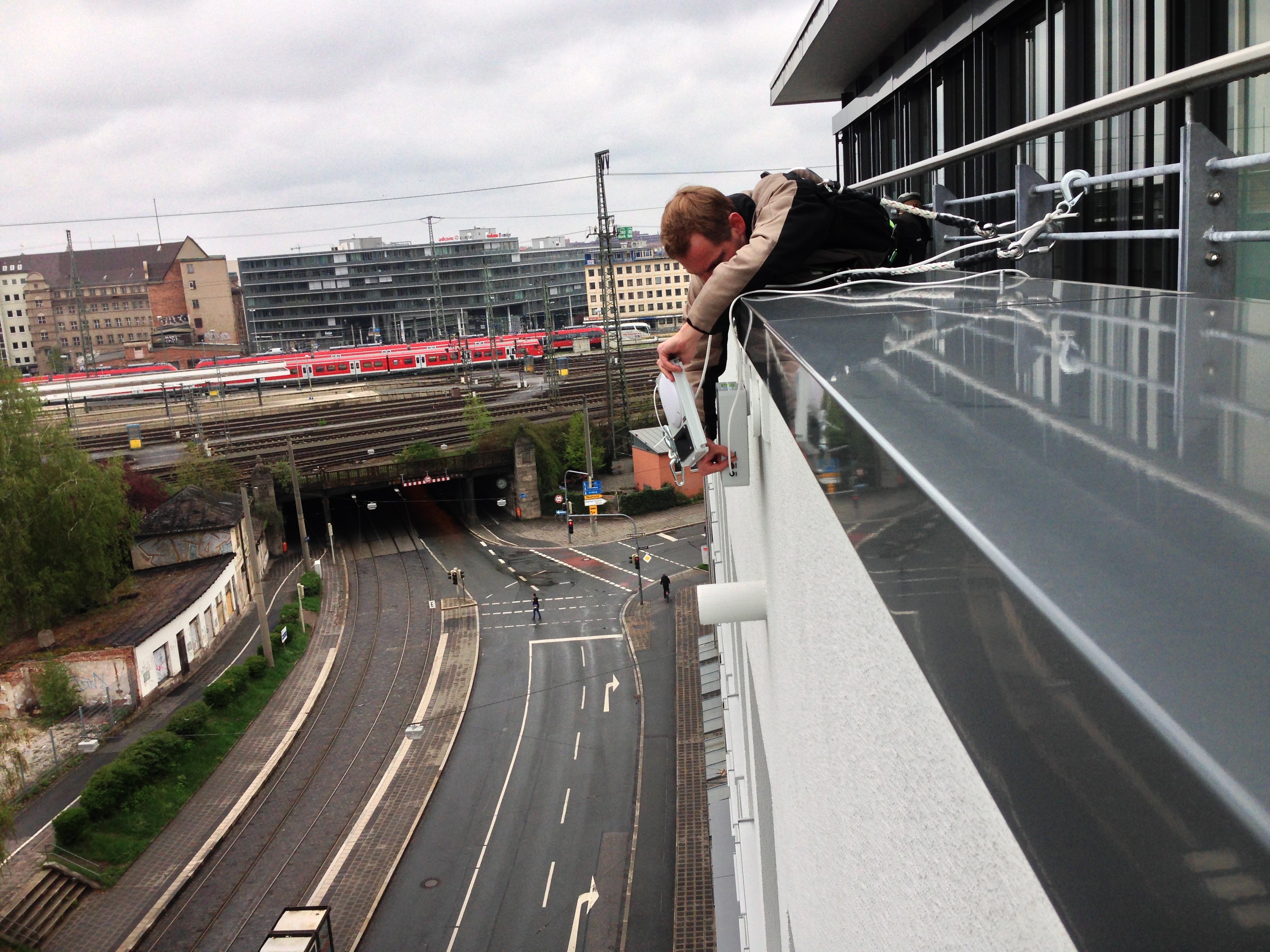
Hang up the dummy sound correctly with the swift call calls. Play times of the call
A very efficient way to attract swifts and draw attention to new nesting sites is to hang up a dummy sound. There are three very important points to note here.
- Suspension of the dummy sound :
The dummy sound should be hung in the immediate vicinity of the entry hole of an unoccupied swift box and at a maximum distance of 20 cm from the entry hole. - The correct mating calls play:
It is important that the correct mating calls can be played. These are, for example, duet calls from a swift breeding pair. - The right time for the
swifts to call : early May-early August ,
mornings from 6:30 a.m. to 10:00 a.m. (depending on the situation with your neighbors) in the
evening from 7:00 p.m. to 9:00 p.m.
Mount swift pointing bird silhouette
In addition to the dummy sound, an optical key stimulus helps that swift boxes are better accepted. It often happens that exploring swifts looking for nesting sites in a range of nesting boxes offered only fly to those that are already occupied. Although there are numerous unoccupied swift nest boxes right next to it.
In order to counter this phenomenon and to make the swifts aware of free nesting aids, the installation of so-called pointing bird silhouettes helps.
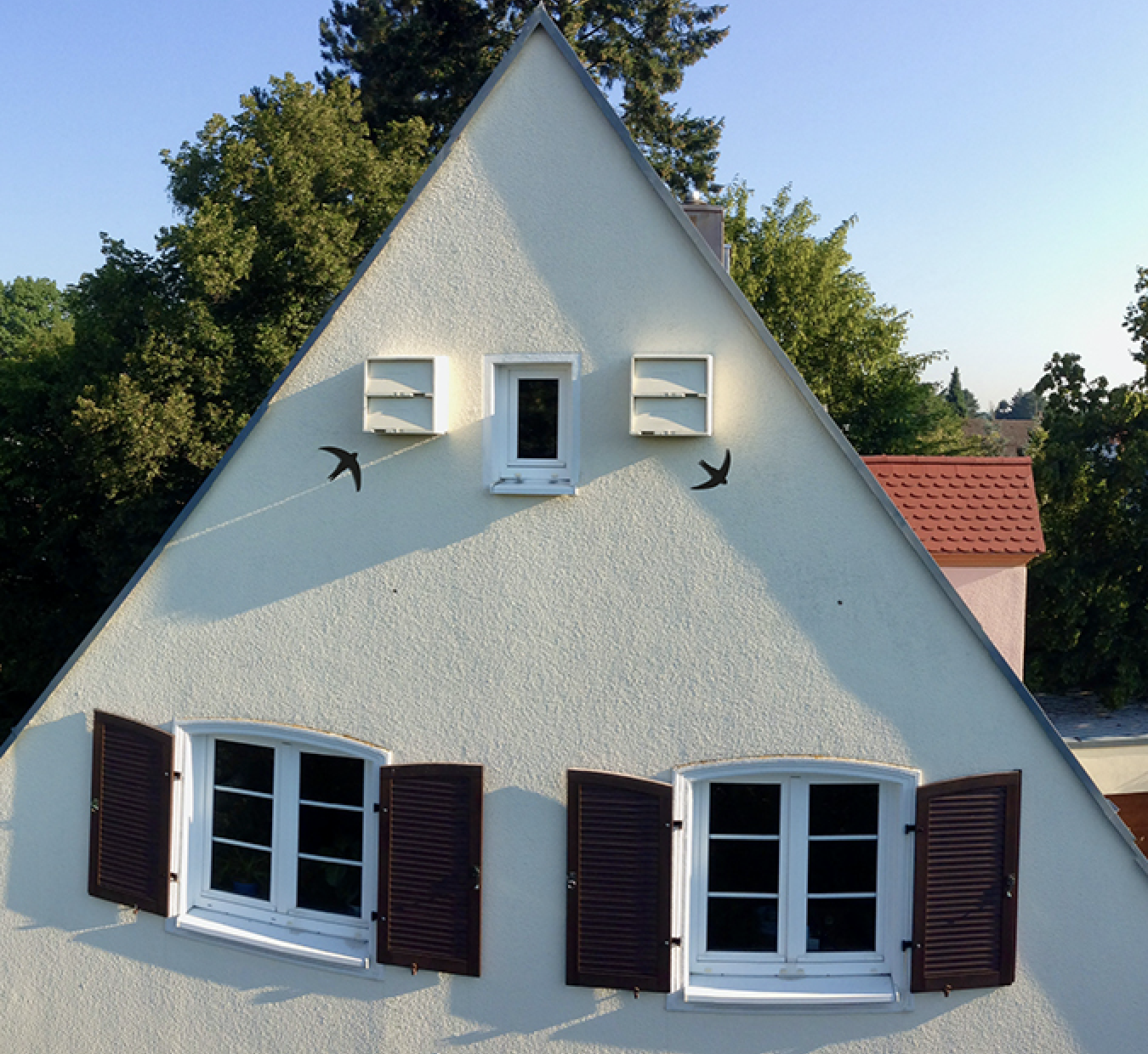
Install the pointing bird for swifts correctly
The pointing bird silhouettes are installed in close proximity with the direction of flight to the entry hole or facing away from the entry hole. The silhouettes are attached to the house wall with dowels and screws.
At best, the silhouettes are removed as soon as the nesting boxes are occupied.